Keynote Speakers
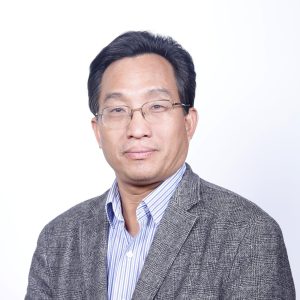
Prof. Guanghui Lin
Guanghui Lin received his Ph.D. degree from University of Miami, USA. He is currently a professor of Ecology at Tsinghua University and Chief scientist for Hainan international Blue Carbon Research Center, China He has served as the Principal Investigator (PI) for over US$17 million research grants and has published over 230 papers and 5 academic books. His research interests include global change ecology, stable isotope ecology and coast wetland ecology. He served as a Lead author for IPCC 2013 Supplement Guidance on Greenhouse Inventory of Coastal Wetlands, Vice Chairman for ChinaFlux and Editorial Board Member of Ecosystem Health and Sustainability.
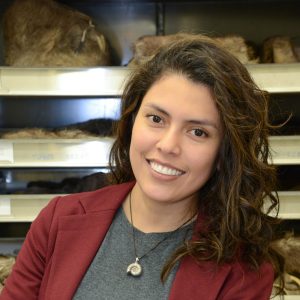
Dr. Julia Tejada
Julia Tejada is Assistant Professor of Geobiology at the California Institute of Technology. She received her Ph.D. in Earth Sciences and Comparative Biology from Columbia University and the American Museum of Natural History, followed by postdoctoral training at the Universities of Cambridge (UK) and Montpellier (France). Her research develops and applies isotope-based methods to trace the biochemical imprints diets leave in amino acids preserved in modern and fossil organisms. Her lab explores how dietary adaptations shaped life over deep time, and how prolonged climate extremes affect the Amazon rainforest, a system widely considered a tipping point in Earth’s climate. This work unites lab experiments, new geochemical tools, and fossil discoveries from one of Earth’s scientific frontiers.
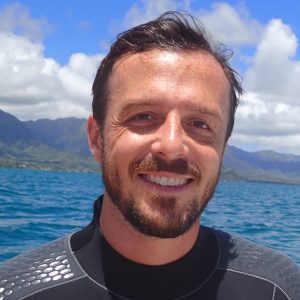
Dr. Christopher Wall
Christopher Wall is a physiological ecologist specializing in the study of coral reefs, stable isotope biogeochemistry, and marine and freshwater invertebrates in symbiosis with microbial partners. Dr. Wall’s research program is broadly focused on the coral-Symbiodiniaceae symbiosis, where he uses stable isotopes and molecular techniques to understand coral energetics and nutritional plasticity, symbiont functional diversity, and the mechanisms that support resilience to environmental stress. His recent works have focused on terrestrial subsidies and their influence on marine and freshwater systems, and how stochastic and deterministic factors act to structure microbial communities and host-microbe interactions.
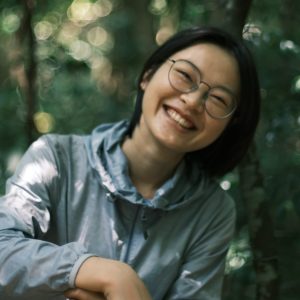
Dr. Xiaoyi Zeng
Xiaoyi Zeng is a forest ecologist, and her research focuses on the roles of soil organisms in mediating nutrient cycling and plant development in response to global change. She is a postdoctoral researcher in the Biodiversity and Environmental Change Lab at the University of Hong Kong and was awarded a Ph.D. in Ecology and Biodiversity from HKU in 2025. Her work combines stable isotope tracing, cross-biome field experiments, metabarcoding, and meta-analysis to quantify the effects of soil invertebrates and microbes on litter decomposition and downstream plant nutrient assimilation under climate change, forest succession, and human disturbance.